The holiday season in Australia is a time of bright lights, festive music, and the inevitable hunt for the perfect Christmas hamper. Over the past few years, a quiet revolution has been unfolding in gift‑wrapping Take a look at the site here rooms and online shops alike: eco‑friendly packaging is becoming the go‑to choice for Christmas hampers. But why is this shift happening, and what does it mean for shoppers, businesses, and the planet? Let’s unwrap the answer.
The Rise of Eco‑Conscious Christmas Hampers
In the last decade, Australians have grown more aware of their environmental footprint. A recent survey found that 78 % of respondents consider sustainability when buying gifts. This cultural shift is reflected in the packaging industry, where traditional plastic and Styrofoam are giving way to biodegradable, recyclable, and upcycled materials. The result? A new trend that’s as fresh as a winter breeze over the Southern Ocean.
The question that keeps popping up in gift‑shop conversations is, “Why is eco‑friendly packaging a trend for Christmas hampers in Australia?” The answer is a mix of consumer demand, regulatory pressure, and the simple fact that people want their gifts to feel as good inside as they look on the outside.
Environmental Impact of Traditional Packaging
Traditional Christmas hamper packaging—think thick plastic bags, Styrofoam boxes, and glossy paper—has a heavy environmental toll:
- Carbon footprint: Production and disposal of plastics contribute significantly to greenhouse gas emissions. Waste: Most holiday packaging ends up in landfills, where it can take centuries to break down. Resource depletion: Extracting raw materials for conventional packaging consumes vast amounts of water and energy.
When you consider that Australia produces over 2 million tonnes of packaging waste annually, the urgency to switch to greener alternatives becomes clear. The shift is not just a trend; it’s a necessary step toward a more sustainable future.
Consumer Preferences Driving the Shift
People are no longer satisfied with a gift that looks great but leaves a lasting environmental scar. The modern Australian consumer asks:
- Is this packaging recyclable? Does it come from a renewable source? Will it break the rules of my own eco‑friendly household?
These questions have nudged retailers to rethink their packaging strategies. A lighthearted anecdote illustrates this point: last Christmas, a friend named Sophie decided to wrap her gourmet hamper in a reusable canvas tote. She later discovered that the tote could double as a picnic bag, making her gift both practical and planet‑friendly. Sophie’s story is a small but powerful reminder that eco‑friendly choices can be both stylish and functional.
Practical Benefits for Businesses and Givers
Switching to eco‑friendly packaging offers tangible advantages:
- Brand differentiation: Companies that showcase sustainable packaging stand out in a crowded market. Cost savings: While some eco materials may have a higher upfront cost, bulk purchasing and reduced waste can lower long‑term expenses. Regulatory compliance: With new Australian laws targeting single‑use plastics, early adopters avoid future penalties.
For givers, the benefits are equally compelling. Eco‑friendly packaging often comes in charming, minimalist designs that highlight the gift’s contents rather than the wrapper itself. As the famous sustainability advocate Jane Goodall once said, “We do not inherit the Earth from our ancestors; we borrow it from our children.” This quote underscores the responsibility we share in choosing packaging that honors that promise.
Creative Eco‑Friendly Packaging Ideas
If you’re looking to impress while staying green, consider these options:
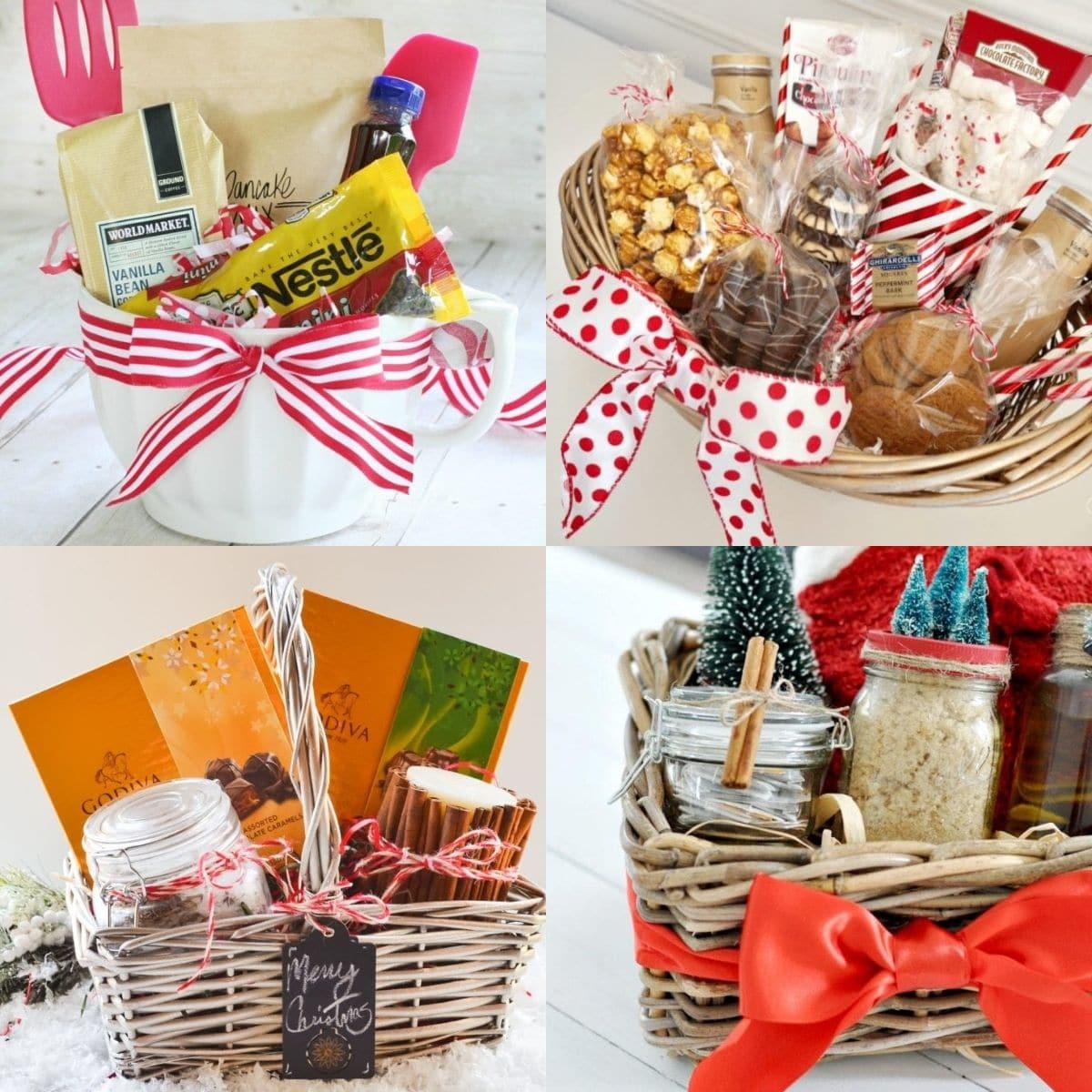
- Recycled paper: Look for paper made from post‑consumer waste; it often has a textured, rustic look. Bamboo or wood: Lightweight and biodegradable, bamboo trays can be reused as planters. Fabric wraps: A reusable canvas or linen wrap can be tied with a ribbon, turning the gift into a decorative piece. Plant‑based inks: These inks reduce the chemical load on the environment and are safe for skin contact.
When selecting a style, think of packaging as a wrapper that wraps around your values. It’s the first impression that can either make or break the holiday mood.
How to Choose the Right Eco‑Friendly Materials
Choosing the right material involves a few key considerations:
- Source transparency: Ask suppliers about their sourcing practices and certifications. End‑of‑life: Will the packaging be recyclable, compostable, or reusable? Durability: The packaging should protect the contents during transport without being overly bulky. Aesthetics: It should complement the hamper’s contents and your personal style.
A quick checklist can help you decide:
- Is the material certified by a recognized body (e.g., FSC, BSCI)? Can it be easily separated for recycling or composting? Does it add value to the gift experience?
The Bottom Line: A Sustainable Holiday Tradition
The rise of eco‑friendly packaging for Christmas hampers in Australia is more than a fleeting fad; it’s a reflection of a society that values the planet as much as the presents. By opting for sustainable materials, consumers can reduce their carbon footprint, support responsible businesses, and set an example for future generations.
So, the next time you’re picking out a hamper, ask yourself: Will this packaging stay with me after the holidays, or will it become another piece of waste? A thoughtful choice today can turn a simple gift into a lasting legacy—just like a well‑wrapped present that’s ready to be unwrapped again and again.
If you’re ready to make a Holiday gift change, start small. Choose a reusable tote, a recycled paper wrap, or a bamboo box. Your holiday season—and the planet—will thank you.
